

Planning Appeal Procedure Changes: What to Expect from April 2026
April 1, 2026
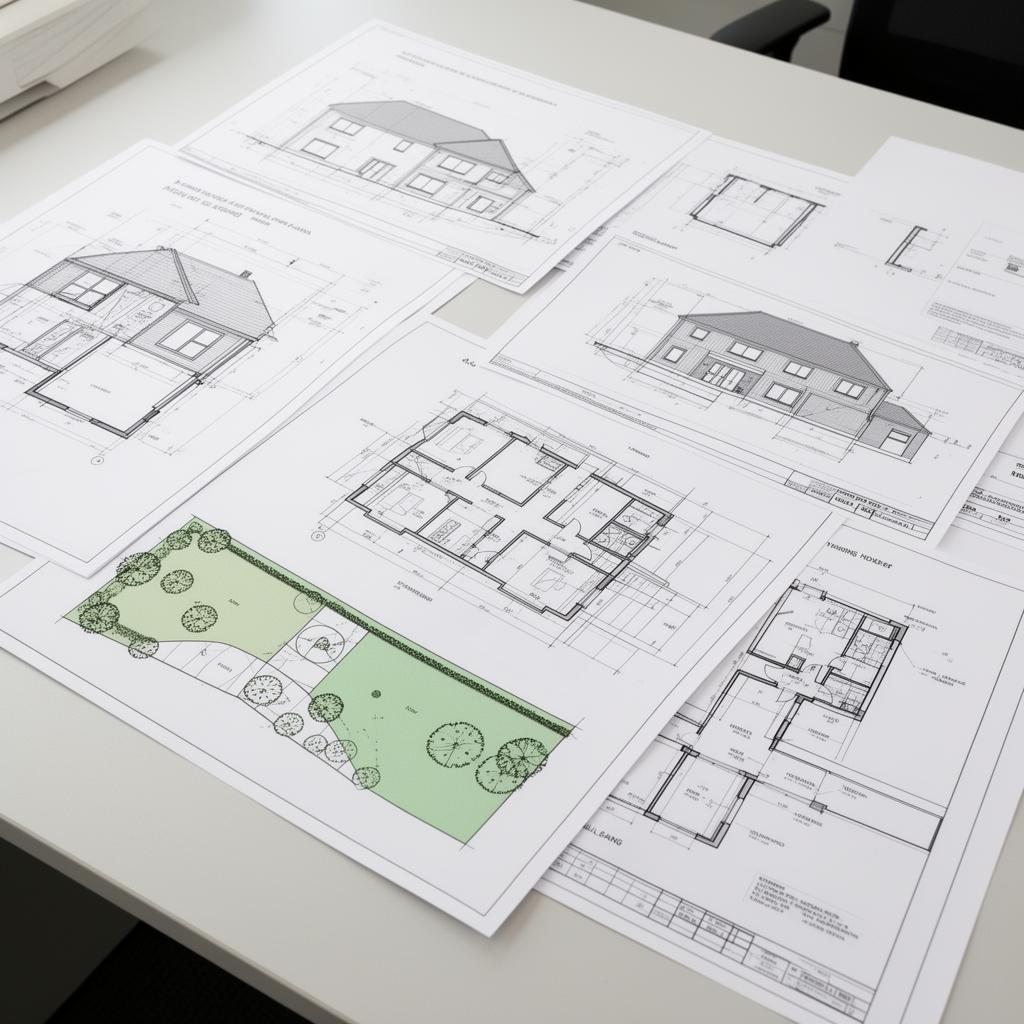
From April 2026, the Planning Inspectorate has introduced updates to its Procedural Guide that will change how planning appeals are managed in England for applications submitted after 1st April. The intention behind these changes is to make the appeals process more efficient, reduce delays, and place greater reliance on written representations as the default method for determining cases.
These changes are relevant for anyone involved in the planning process - whether you're a landowner, developer, or business owner looking to navigate a refusal or challenge conditions on a consent.
A Greater Role for Written Representations
Written representations have long been the most commonly used appeal method, and the updated guidance reinforces this by widening the range of cases that can be dealt with through the faster "expedited" written procedure. From April 2026, this route now applies to a broader set of appeal types, including refusals of planning permission, reserved matters, prior approvals, Section 73 applications (variation or removal of conditions), and appeals relating to conditions imposed on a consent.
This shift means that more appeals will be resolved without the need for a hearing or inquiry, with decisions based on the written evidence already submitted.
The Importance of Getting It Right First Time
One of the most notable aspects of the updated procedure is the reduced scope for submitting new evidence at appeal stage under the expedited route. In most cases, the Inspector will base their decision on the material that was submitted with the original planning application - including drawings, supporting reports, and consultation responses - alongside the local planning authority's decision notice and officer report.
New evidence will generally only be accepted where there has been a genuine change in circumstances, such as an update to planning policy or a relevant legal decision. This is a significant change and underlines the importance of submitting a thorough, well-evidenced application from the outset.
What This Means in Practice
For anyone preparing a planning application, these changes reinforce the need to ensure that supporting information is comprehensive and proportionate from day one, that potential issues are identified and addressed early in the process, that meaningful engagement takes place with the local planning authority and relevant consultees, and that the application is framed clearly within the context of national and local planning policy.
The appeal process is increasingly being treated as a review of what has already been presented, rather than an opportunity to introduce new material or refine a proposal.
Looking Ahead
The direction of travel is clear: strong, well-prepared applications supported by robust evidence are more important than ever - both at the application stage and, if needed, at appeal. By investing time and care into the quality of the original submission, applicants can give themselves the best possible chance of a positive outcome.
How LB Planning Can Help
If you're preparing a planning application or considering an appeal, it's important to get the right advice early. LB Planning can help you put together a comprehensive, policy-led submission that is designed to stand up to scrutiny - whether at application stage or on appeal. Get in touch with LB Planning for a no-obligation chat about your project.

Need Help with
Planning Permission?
Get expert advice from LB Planning via email or phone.